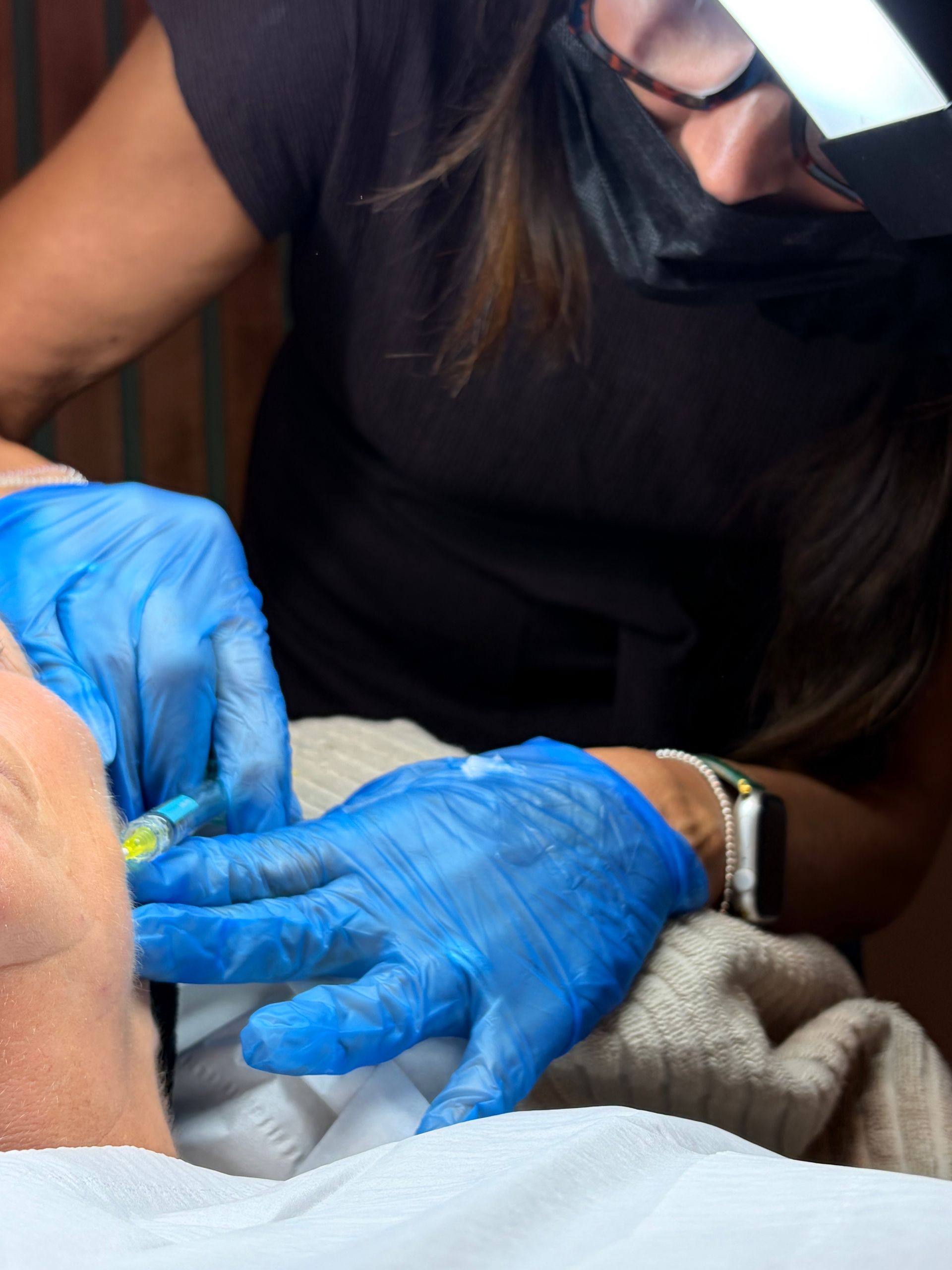
Can Chemical Peels Fade Pigmentation and Sun Damage?
Can Chemical Peels Fade Pigmentation and Sun Damage?
Brown patches, sun spots and uneven skin tone tend to appear gradually, often after years of summers without enough SPF. Foundation can cover them, but many of our clients would rather fade them properly, and chemical peels are one of the most effective ways to do that.
How chemical peels work
A chemical peel is a solution applied to the skin that loosens and removes the top layer of damaged cells. As the skin renews, the pigmented cells are gradually replaced with fresher, more even-toned skin. Peels come in different strengths, and we choose the right one for your skin type and concerns.
What chemical peels can treat
- Sun spots and age spots on the face
- Uneven skin tone
- Marks left behind by old spots
- Dullness and rough texture
- Fine lines
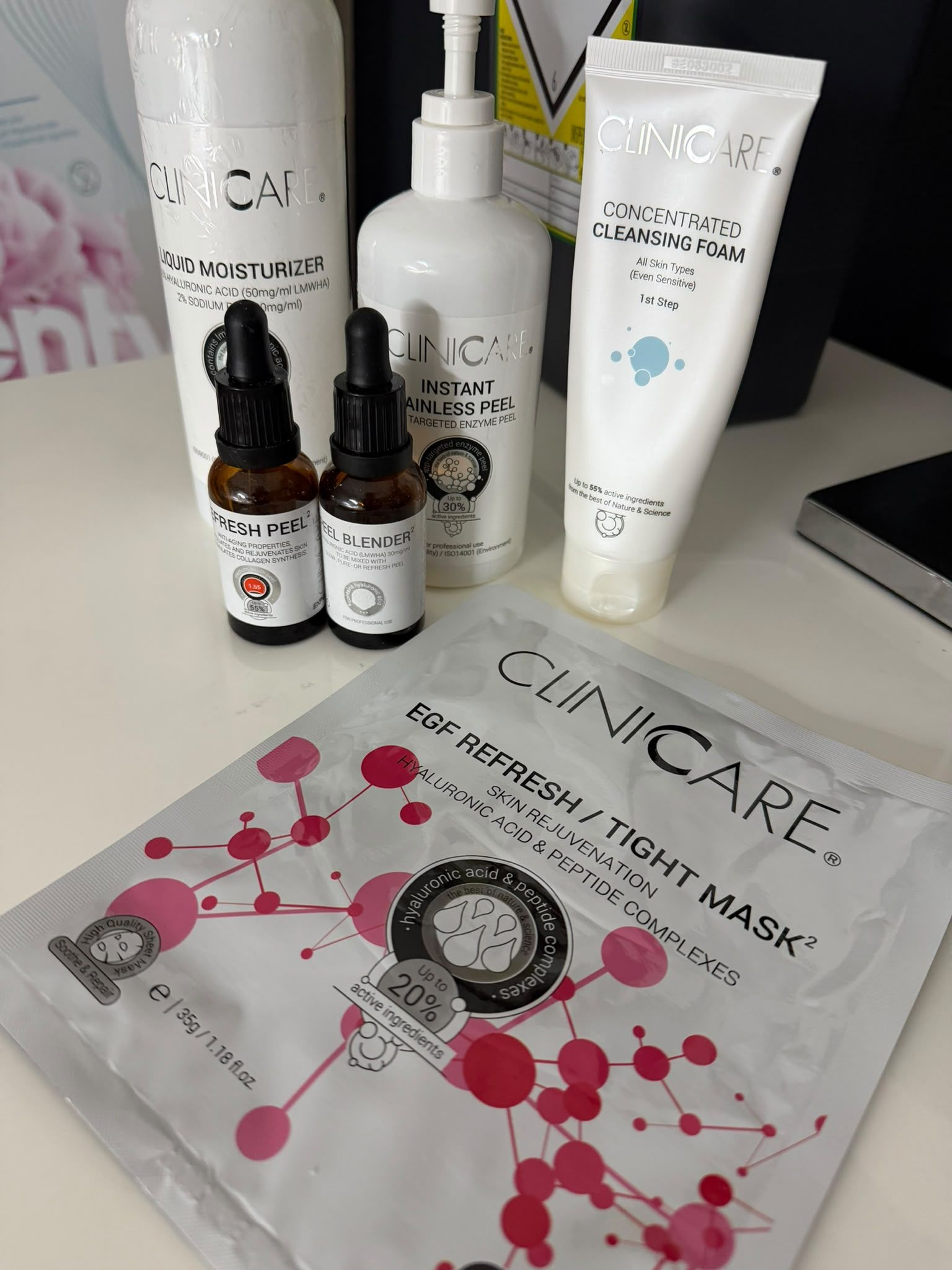
How many peels will you need?
Most people need a course of three to six peels, spaced two to four weeks apart, to see a real difference in pigmentation. You'll usually notice brighter skin after the first one.
Why autumn is the best time to start
Your skin is more sensitive to the sun after a peel, so autumn and winter, when the sun is weaker, are the ideal months to start a course. Beginning now means your skin will be clearer by spring
Frequently asked questions
Will my face peel a lot?
Most of the peels we use cause light flaking for a few days, so you can usually carry on as normal.
Can chemical peels treat melasma?
They can help, but melasma is linked to hormones and can be stubborn, so we'll talk you through realistic results at your consultation.
Summary
Chemical peels fade pigmentation and sun damage by removing damaged surface cells so fresh skin can come through. A course started in autumn gives the best results, and a daily SPF stops the pigmentation from coming back.
Book a chemical peel in Daventry or Harbury
Book a consultation and we'll recommend the right peel and course for your skin.